

Skip to content
Call MeMonday – Friday 18 – 19DanyChrysKey
Facebook page opens in new windowX page opens in new windowInstagram page opens in new windowYouTube page opens in new window
Login
DanyChrys Ubuntu Development
Ubuntu Server Development
DanyChrys Ubuntu Development
  • Home
    • Syno DanyChrys
    • Syno Claudiu
    • Syno Gabriela
    • Syno Mertan
    • Syno Ova
  • FileRun
    • DanyChrys FileRun
    • Claudiu FileRun
  • Tutorials
  • Veno File Manager
    • Veno Home Media
  • Other Servers
    • Claudiu America FileRun
      • Claudiu SeaFile
      • Claudiu BeDrive
      • Claudiu KodBox
      • Interface
      • Torrent
      • PhpMyAdmin
      • NextCloud
      • ProjectSend
      • Ucloud
    • Bogdan Server
      • Bogdan SeaFile
      • Bogdan PhpMyAdmin
      • Bogdan WordPress
      • KodBox Bogdan
      • Nextcloud
      • BeDrive
      • ProjectSend
      • Ucloud
    • Ayono Server
      • Ayano SeaFile
      • Ayano BeDrive
      • Ayano KodBox
      • Ayano PhpMyAdmin
      • Ayano WordPress
      • NextCloud
      • ProjectSend
      • Ucloud
    • Stolnicu Server
      • Stolnicu WordPress
      • Stolnicu phpmyadmin
      • Stolnicu Seafile
      • Stolnicu BeDrive
      • KodBox
      • NextCloud
      • Projectsend
      • Ucloud
    • TocTibi
      • Interface
      • KodBox
      • Torrent
      • PhpMyAdmin
      • NextCloud
      • SeaFile
      • BeDrive
      • ProjectSend
      • Ucloud
Search:
  • Home
    • Syno DanyChrys
    • Syno Claudiu
    • Syno Gabriela
    • Syno Mertan
    • Syno Ova
  • FileRun
    • DanyChrys FileRun
    • Claudiu FileRun
  • Tutorials
  • Veno File Manager
    • Veno Home Media
  • Other Servers
    • Claudiu America FileRun
      • Claudiu SeaFile
      • Claudiu BeDrive
      • Claudiu KodBox
      • Interface
      • Torrent
      • PhpMyAdmin
      • NextCloud
      • ProjectSend
      • Ucloud
    • Bogdan Server
      • Bogdan SeaFile
      • Bogdan PhpMyAdmin
      • Bogdan WordPress
      • KodBox Bogdan
      • Nextcloud
      • BeDrive
      • ProjectSend
      • Ucloud
    • Ayono Server
      • Ayano SeaFile
      • Ayano BeDrive
      • Ayano KodBox
      • Ayano PhpMyAdmin
      • Ayano WordPress
      • NextCloud
      • ProjectSend
      • Ucloud
    • Stolnicu Server
      • Stolnicu WordPress
      • Stolnicu phpmyadmin
      • Stolnicu Seafile
      • Stolnicu BeDrive
      • KodBox
      • NextCloud
      • Projectsend
      • Ucloud
    • TocTibi
      • Interface
      • KodBox
      • Torrent
      • PhpMyAdmin
      • NextCloud
      • SeaFile
      • BeDrive
      • ProjectSend
      • Ucloud

Category Archives: Tutorials

How to install php and php-fpm on Ubuntu 24.04

TutorialsBy DanyChrys22 noiembrie 20251 Comment

  We are going to show you how to install PHP and PHP-FPM on Ubuntu 24.04. PHP, or Hypertext Preprocessor, is a popular open-source programming language used mostly for online development. The only PHP implementation of PHP FastCGI that is really helpful for websites with a lot of traffic is PHP. At the end of…
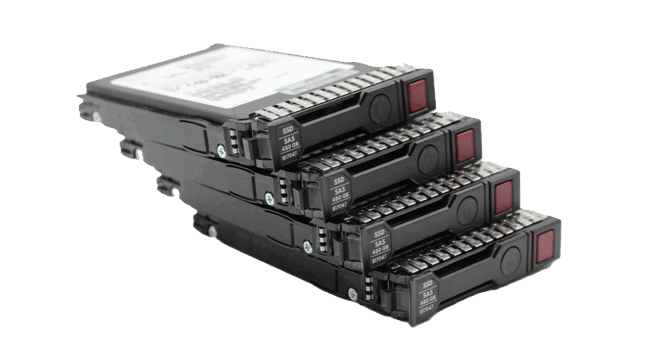
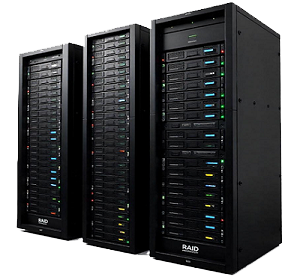
Configuring the Multiple PHP Versions with Apache on Ubuntu

TutorialsBy DanyChrys22 noiembrie 2025Leave a comment

1. Installing Apache2 sudo apt update sudo apt install apache2 libapache2-mod-fcgid Now enable a few modules required for the configuration of multiple PHP versions with Apache. These modules are necessary to integrate PHP FPM and FastCGI with the Apache server. sudo a2enmod actions fcgid alias proxy_fcgi 2. Installing PHP Versions sudo apt install software-properties-common sudo…

Replacing a Faulty Disk in a RAID 1 Array (mdadm on Ubuntu 24.04)

TutorialsBy DanyChrys31 octombrie 2025Leave a comment

1. Check RAID Status Use the following command to inspect the current state of the RAID: State : clean, degraded Active Devices : 1 Failed Devices : 1 2. Mark and Remove the Faulty Disk If the faulty disk is still present but failing, run: If the disk has already been physically removed, you can…

How to Install RAID1 on Ubuntu 24.04

TutorialsBy DanyChrys31 octombrie 2025Leave a comment

PARTITION HARD DISKS The first thing we’ll need to do to configure our hard disks is to partition them as Linux RAID auto. STEP1 We can see our hard disks by using the fdisk command. This will show us how they are named, which we will need for future commands. As you can see in…

DanyChrys WebDesigner - Ubuntu Server Senior

DanyChrys - All Rights Reserved ®2025

Go to Top